Washington, United States
News Desk | National Affairs
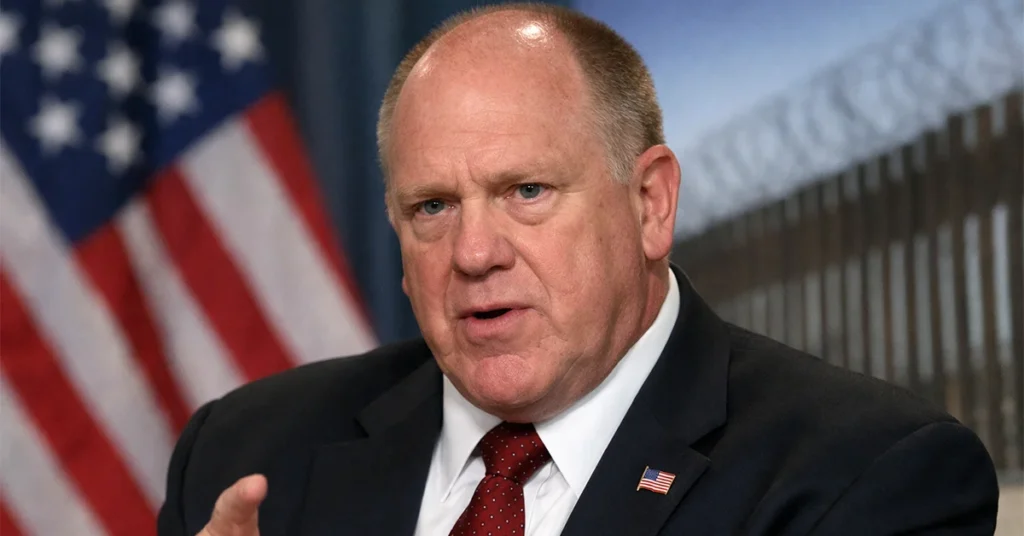
Tom Homan, the former acting director of U.S. Immigration and Customs Enforcement, has reemerged in the national immigration debate, calling for stricter border enforcement and expanded deportations as the United States continues to face elevated levels of migrant arrivals, according to recent public remarks and media interviews.
Homan, who led ICE from 2017 to 2018, has appeared on multiple news platforms in recent weeks criticizing current immigration policies and urging a return to enforcement-first strategies. He said existing laws are not being fully implemented and argued that border security failures are straining federal and local resources.
U.S. Customs and Border Protection data show migrant encounters at the southern border have remained historically high over the past year, fueling political pressure on the Biden administration from both Republicans and some Democrats. The administration has defended its approach, citing expanded asylum processing, humanitarian protections, and cooperation with regional partners.
Homan has rejected those arguments, stating that interior enforcement and swift removals are necessary to deter unlawful crossings. In interviews, he has said that ICE requires greater operational authority and staffing to carry out its mission effectively.
Immigration advocacy groups have criticized Homan’s positions, saying mass deportation policies risk violating due process protections and could separate families. They have also pointed to declines in unauthorized border crossings following recent executive actions and diplomatic agreements.
Homan currently holds no government position but remains influential among conservative policymakers and voters, frequently advising lawmakers and appearing at political events. His comments come as immigration continues to rank among the most polarizing issues ahead of upcoming federal elections.
No formal policy changes linked to Homan’s statements have been announced. The story is developing.
ALSO READ: Midnight Doomsday Clock Remains At 90 Seconds Amid Escalating Global Risks