

Introduction
Artificial Intelligence (AI) has become a game-changer for companies of all sizes. More than ever, small businesses are embracing AI integration to improve efficiency, reduce costs, and unlock new growth opportunities. Modern AI tools are designed to be scalable and user-friendly, making them practical for smaller teams with limited resources.
The rapid evolution of AI means that even the most minor operation can benefit from cutting-edge technology. From intelligent automation to advanced analytics, AI is transforming how businesses operate, serve customers, and make decisions in dynamic markets.
As technology becomes more sophisticated and accessible, the notion that AI is only for industry giants is a thing of the past. Many small businesses are discovering the power of AI to handle repetitive tasks, analyze data, and enhance productivity—fueling both growth and innovation.
Effective AI adoption isn’t about implementing a one-size-fits-all solution; it requires understanding where and how AI can deliver the most value. Recognizing the key areas—whether operations, customer engagement, or strategic planning—helps organizations realize real benefits quickly and sustainably.
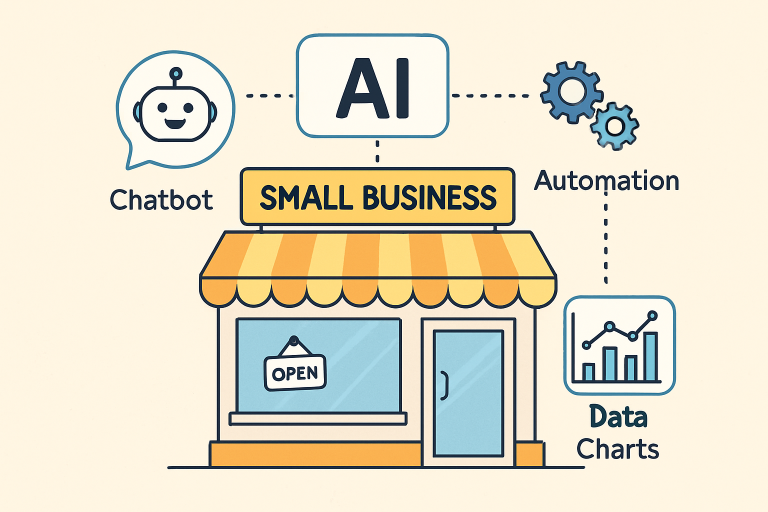
Understanding AI and Its Relevance to Small Businesses
Artificial Intelligence encompasses a range of technologies that enable machines to mimic human intelligence, such as pattern recognition, prediction, and problem-solving. For small businesses, this means access to tools that automate time-consuming tasks, deliver tailored recommendations, and optimize everyday processes. When paired with AI data integration, these capabilities become even more powerful, enabling businesses to pull information from disparate systems, unify it, and generate insights that guide smarter, real-time decisions.
Existing business challenges, such as tight budgets, limited staff, and the need for agility, make AI especially relevant. By leveraging AI technology, small businesses can level the playing field and compete with much larger firms, using data and automation to drive outcomes. Integrating AI-driven data pipelines further ensures that information flows smoothly across platforms, making it easier to identify trends, personalize customer experiences, and streamline operational workflows.
Benefits of AI Integration for Small Businesses
- Operational Efficiency: AI-powered automation streamlines workflows, from basic office administration to managing inventory and billing. Many small businesses are now adopting practical tools highlighted in an Investopedia guide on how to use AI, showing how automation helps reduce manual tasks and boost productivity. This allows business owners and employees to focus on more strategic or creative work.
- Enhanced Customer Service: Tools like AI-driven chatbots respond instantly to customer inquiries, providing round-the-clock support and quickly resolving common issues.
- Data-Driven Decision Making: AI can analyze vast amounts of data, revealing actionable insights that inform everything from marketing campaigns to supply chain management. Data-driven strategies help businesses adapt to market trends swiftly and effectively.
Practical Steps to Implement AI in Your Business
- Identify Areas for AI Integration: Begin by mapping key business processes. Look for repetitive, time-consuming tasks or areas where data could enhance decision-making. Examples include customer support, marketing analytics, and supply chain operations.
- Choose the Right AI Tools: Research solutions with an established track record and robust support resources. Consider tools that offer user-friendly interfaces, scalability, and integration with existing systems without requiring extensive technical expertise.
- Train Your Team: A successful rollout involves upskilling your workforce. Offer training sessions and encourage a culture of continuous learning, so team members feel confident using and collaborating with AI systems.
- Monitor and Evaluate: Set key performance indicators (KPIs) for your new AI tools. Regularly review quantitative outcomes—such as time saved or costs reduced—and solicit feedback from team members to ensure the technology aligns with business goals.
Overcoming Challenges in AI Adoption
Small businesses considering AI face unique challenges. Financial constraints, lack of technical expertise, and data security concerns are common barriers. Leaders can mitigate these risks by starting with low-cost AI solutions, selecting tools with robust documentation, and prioritizing data privacy from the beginning. For unbiased guidance on implementing AI securely, consult resources such as Forbes.
Gradually scaling AI projects also helps teams learn and adapt to new workflows, reducing resistance to change and encouraging long-term adoption. Creating an open feedback loop ensures that concerns are addressed quickly and that AI investments are continually optimized.
Real-Life Examples of AI in Small Businesses
Across industries, small businesses are already seeing measurable benefits from AI integration. For example, nearly every small business surveyed in a recent study used AI-enabled tools, with an increasing number deploying generative AI applications like chatbots and automated image generation. These tools have led to high cost and time savings, helping businesses reallocate resources to higher-value initiatives. Other examples range from AI-powered scheduling assistants that organize appointments automatically to sentiment analysis tools that help companies understand customer feedback and tailor their services accordingly. Each application not only streamlines day-to-day activities but can also enhance competitive positioning.
Future Trends in AI for Small Businesses
Looking ahead, small businesses can expect AI tools to become even more accessible and affordable. Advances in machine learning and natural language processing are creating intuitive solutions that address specific business needs, from customer insights to fraud detection.
Predictive analytics, voice-based customer service, and more innovative automation platforms are among the emerging trends likely to reshape the small-business AI landscape further. As regulatory frameworks and ethical best practices catch up, even highly regulated sectors will have greater confidence in adopting AI solutions.
Conclusion
AI integration presents extraordinary opportunities for small businesses to improve efficiency, foster stronger customer relationships, and drive strategic growth. By starting with clear objectives, investing in the right technology, and nurturing a culture of adaptability, small business owners can embrace AI as a key pillar of sustainable success. Staying informed about new developments and continually assessing the impact of AI helps businesses maintain their competitive edge in a rapidly evolving digital world.